
David Sullivan · 7 October 2026
Empowering Teachers with Numbers: Workshops That Turn Data into Classroom Strategies
Workshops designed to convert raw classroom numbers into practical teaching adjustments have gained traction across educational systems in recent years, and observers note that these sessions equip educators with methods to interpret test scores, attendance records, and engagement metrics without requiring advanced statistical backgrounds. Researchers from multiple institutions have documented how such programs operate in both urban and rural settings, where participants examine datasets from their own schools to identify patterns that influence daily lesson planning. Data from the US Department of Education indicates that districts implementing similar training saw measurable shifts in how teachers adjusted grouping strategies based on quarterly assessment results.
Programs scheduled for October 2026 will expand these efforts by incorporating real-time dashboards that aggregate student responses during lessons, allowing attendees to practice live adjustments rather than relying solely on end-of-term summaries. European Commission reports highlight comparable initiatives in several member states, where teachers learned to cross-reference behavioral logs with academic outcomes to refine intervention timing. Those who've attended earlier iterations often report that the emphasis remains on accessible tools, such as simple spreadsheet functions and visual mapping techniques, which translate directly into modified seating arrangements or targeted homework assignments.
Core Components of the Training Sessions
Each workshop series breaks down into modules that progress from basic data collection protocols to applied strategy development, and facilitators guide groups through exercises using anonymized records from partner schools. One module focuses on calculating growth rates from successive test administrations, while another explores correlations between homework completion rates and classroom participation levels. Australian Institute for Teaching and School Leadership documentation shows that when teachers apply these calculations to their local contexts, they frequently adjust pacing guides to allocate more time for concepts where aggregate scores lag behind national averages.
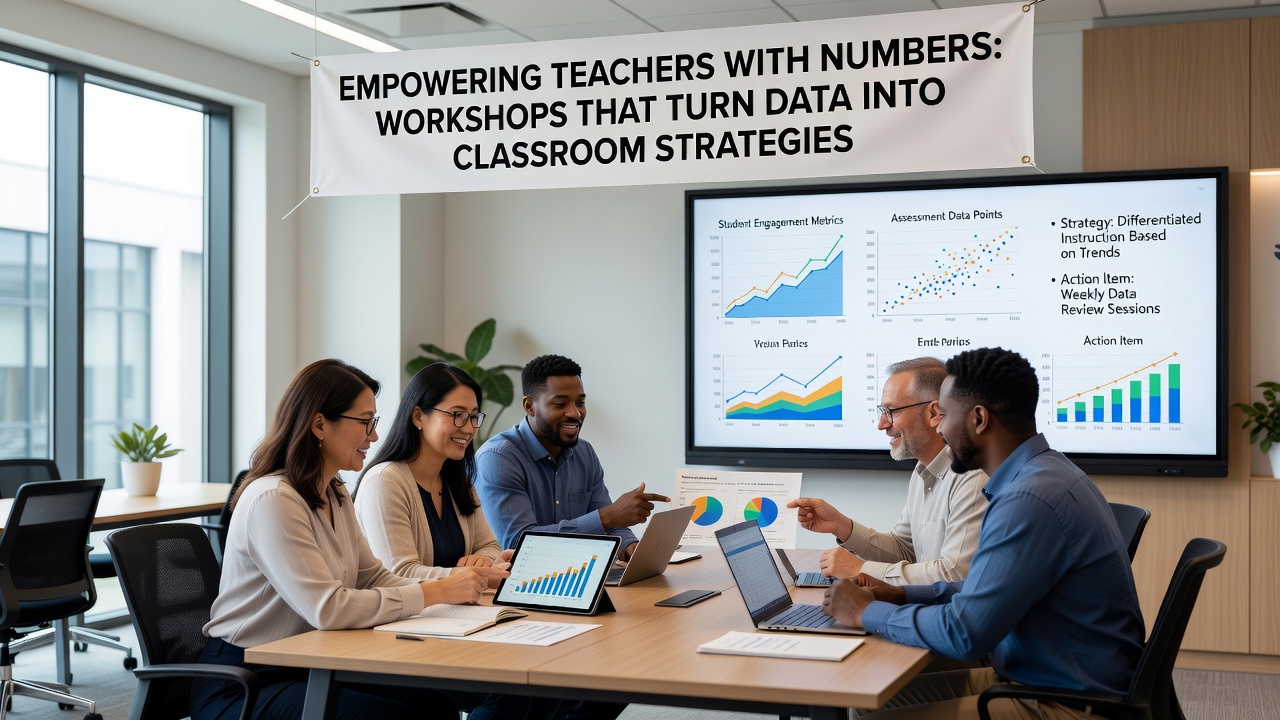
Hands-on segments require participants to build decision trees that link specific data points, such as frequent absences on Mondays, to potential responses like modified morning routines or family outreach protocols. Studies conducted by university teams in Canada found that teachers who completed these exercises implemented changes within two weeks and tracked subsequent improvements through follow-up data reviews. The structure avoids theoretical lectures in favor of repeated practice cycles, where small teams present their analyses and receive feedback from peers who teach similar grade levels.
Implementation Outcomes Across Regions
Follow-up evaluations from completed workshops reveal consistent patterns in how data translates to classroom adjustments, and figures from participating districts in Germany demonstrate reduced variance in end-of-year proficiency rates after teachers began using weekly progress trackers. In one documented case, a middle school cohort identified clusters of students whose reading scores dipped after extended breaks, then introduced targeted review packets that narrowed those gaps by the next assessment cycle. OECD education indicators support the observation that such targeted interventions correlate with steadier performance trajectories across diverse socioeconomic groups.
Additional sessions scheduled through late 2026 will incorporate predictive modeling basics, where attendees learn to project future performance based on current trajectories without complex algorithms. Research teams at Polish universities have piloted abbreviated versions of these modules and recorded instances where teachers revised unit plans after spotting early warning signs in participation data. The approach stresses iterative refinement, encouraging educators to test one change at a time and measure effects before scaling further adjustments.
Support Structures and Resource Sharing
Post-workshop networks allow participants to exchange anonymized datasets and strategy templates through secure platforms, while regional coordinators organize monthly check-ins to review ongoing applications. Data compiled by the Canadian Council on Learning shows that sustained access to these communities extends the lifespan of initial training effects, as teachers continue refining their approaches beyond the formal sessions. Materials distributed during the workshops include templates for quick data entry that align with existing school reporting systems, reducing the need for additional administrative time.
October 2026 events will feature guest presenters from districts that have maintained multi-year programs, sharing longitudinal records that illustrate cumulative gains in areas such as reduced disciplinary referrals following data-informed behavior interventions. These presentations focus on replicable steps rather than unique circumstances, enabling attendees to adapt elements to their own environments. Observers note that the emphasis on measurable follow-through distinguishes these workshops from broader professional development offerings that lack specific numerical anchors.
Conclusion
Workshops centered on numerical classroom data continue to expand as districts seek methods to ground instructional decisions in observable patterns, and the October 2026 schedule reflects ongoing refinements based on participant feedback from prior cohorts. Resources from organizations such as the US Department of Education and the OECD provide foundational datasets that inform session content, while local implementations demonstrate how teachers convert those inputs into targeted adjustments. The resulting frameworks prioritize practical application through repeated practice and peer collaboration, supporting consistent integration of data review into regular teaching cycles across varied educational contexts.